
The Role of Luck in Gambling
Luck is often regarded as one of the primary factors influencing the outcome of games in a casino. While skill and strategy do play significant roles in certain games, many casino experiences hinge on the element of chance. This perception leads players to believe that luck can dramatically alter their fortunes, whether they are at the slots or engaged in table games. For instance, the randomness of a slot machine’s reels spinning means that a player’s timing, the machine’s settings, and mere happenstance play critical roles in determining wins and losses, making platforms like 1win attractive for those seeking adventure.
Players often arrive at casinos with varying beliefs about luck, which can also impact their approach to gaming. Some may carry lucky charms or engage in particular rituals before playing. This psychological aspect ties closely to the concept of luck; when players believe they can influence outcomes, they often experience heightened emotions, which can sometimes lead to better decision-making in high-pressure situations. The mental state influenced by perceived luck can create a more enjoyable gaming atmosphere, pushing players to continue gambling despite potential losses.
Moreover, certain games are built entirely around luck, such as roulette or craps. The outcome in these games is primarily based on luck rather than skill, making them particularly appealing to those looking for a less strategic, more relaxed gambling experience. The randomness inherent in these games invites a multitude of possibilities, where players can feel the thrill of unpredictability, hoping that luck will shine upon them. This tension between luck and strategy often defines the character of a casino experience, making it exciting and, at times, frustrating.
Strategies to Enhance Your Luck
While luck ultimately plays a significant role in casino games, players often seek ways to enhance their chances. One popular strategy is to choose games with higher return-to-player (RTP) percentages. Games that pay back a higher percentage of wagers tend to favor players in the long term, which can create the illusion of luck favoring them when wins occur. For example, a slot machine with an RTP of 96% means that, on average, players get back $96 for every $100 wagered over time, which can amplify feelings of luck when a winning streak occurs.
Another common approach is to establish set limits before engaging in games. Setting winning and losing limits allows players to walk away when their “luck” does not appear to be on their side. This strategy reflects a practical approach to gambling, emphasizing responsible play while still recognizing the unpredictability of luck. By adhering to these limits, players can foster a sense of control over their experience, making it feel as though they can influence their luck through disciplined play.
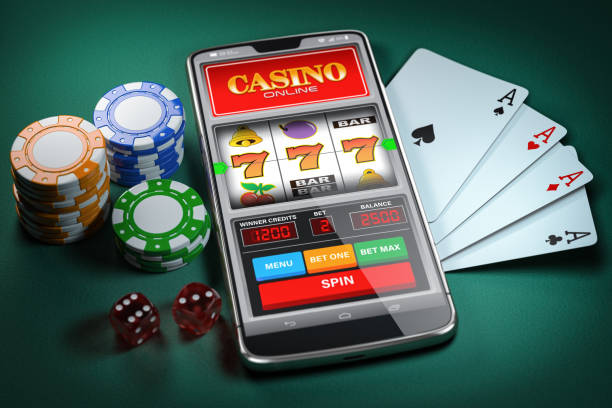
Additionally, players can also engage in positive affirmations or visualization techniques. Some individuals believe that maintaining a positive mindset can attract good fortune, effectively making luck feel more tangible. Visualizing success and staying optimistic can lead to more enjoyable experiences, potentially influencing decisions that may result in favorable outcomes. Consequently, while the intrinsic nature of luck remains elusive, adopting certain strategies can help users feel more in tune with their gaming experiences.
The Psychological Impact of Luck
Luck does not merely dictate the outcomes of games; it also affects the psychological state of players in significant ways. The thrill of a possible win keeps players engaged, creating an emotional rollercoaster that can lead to both intense joy and disappointment. Each spin, roll, or deal carries with it the potential for sudden changes in fortune, and this unpredictability can emotionally entwine players in their experiences. A winning streak can elevate mood, while a series of losses might lead to frustration and despair.
The belief in luck can manifest in various ways, particularly in how individuals interpret their experiences. For instance, someone who wins on a specific machine may develop a bond with it, returning in the hope that luck will strike again. This phenomenon underscores the psychological impact of luck in casinos, where players often personify machines or games, attributing their outcomes to the karma of luck. Such beliefs can further enhance emotional investment, making the overall casino experience more remarkable.
Additionally, the perception of luck can influence social interactions within casinos. Players often share their “lucky” tales, bonding over experiences of fortune or misfortune with fellow gamblers. This storytelling encourages camaraderie, as players discuss strategies and serendipitous moments, fostering a sense of community built around shared hopes for good luck. As a result, the casino environment becomes a vibrant space, where luck not only influences individual experiences but also shapes social dynamics among participants.
The Influence of Environment on Luck
The ambiance and layout of a casino can have a profound impact on the players’ perception of luck. The design elements, such as lighting, sound, and even the arrangement of machines, are strategically curated to enhance the feeling of excitement and anticipation. Colorful lights flashing, the sound of coins cascading, and the bustling atmosphere all contribute to a setting where luck feels ever-present. This sensory stimulation creates an illusion that fortune can shift at any moment, enhancing the overall thrill of gambling.

Moreover, casinos often utilize themes and narratives in their games, crafting experiences that evoke feelings of adventure and luck. For instance, games inspired by mythology or stories of ancient treasure can create rich contexts where players feel more connected to the concept of luck. These immersive elements can heighten the excitement, encouraging players to engage more fully with the games, thus cultivating an environment ripe for fortune to favor them.
Social dynamics also play a role in how the casino environment influences luck. When players congregate around a table or machines, their collective energy and enthusiasm can affect individual experiences. Many believe that shared excitement can create a “luckier” atmosphere, and cheering for one another may amplify the sensation of being part of something greater. This social experience reinforces the notion that luck can be cultivated not only individually but also collectively within the casino realm, adding another layer to the overall experience.
Final Thoughts on Luck and Casino Experience
Understanding the complexities of luck and its influence on casino experiences necessitates a multi-faceted approach. Players must recognize that while luck is a significant factor, their emotional and psychological responses profoundly shape their overall enjoyment. By acknowledging this interplay, gamblers can foster a more enriching experience, regardless of the outcomes of individual games. The thrill of uncertainty, coupled with the hope of fortune, creates an exhilarating atmosphere unique to casinos.
Furthermore, responsible gaming practices can enhance the relationship between luck and player satisfaction. By setting limits and approaching gambling with a balanced mindset, players can enjoy the excitement of games while minimizing potential stress. This approach transforms the act of gambling from merely a game of chance into an enjoyable pastime, where the thrill of luck complements responsible decision-making.
Ultimately, luck will remain an enigmatic aspect of the casino experience, simultaneously revered and feared. By learning to navigate its unpredictable nature, players can cultivate a healthier relationship with gambling. Embracing the excitement and uncertainty that luck brings can lead to memorable experiences, making each visit to the casino unique and exhilarating.