
The evolution of casinos from ancient practices to modern entertainment hubs
Origins of Gambling: Ancient Cultures and Rituals
The roots of gambling can be traced back to ancient civilizations, where games of chance were often intertwined with religious rituals and community gatherings. Archaeological evidence suggests that dice, made from bone, were used as early as 3000 BC in Mesopotamia. These rudimentary games served not only as entertainment but also as tools for divination, allowing individuals to seek guidance from the gods. Such practices illustrate how gambling was more than mere amusement; it held significant cultural and spiritual importance. Today, platforms like paripulse reflect the long history of gaming evolution.

In ancient China, gambling was similarly prevalent. The Chinese are credited with developing one of the earliest forms of lottery, known as the “Keno,” around 200 BC. This form of gambling provided a source of revenue for various governmental projects, showcasing an early understanding of the economic benefits of gambling. Throughout history, these ancient practices laid the foundation for modern games and betting systems, evolving alongside societal changes.
The Romans also embraced gambling, often using it as a means to foster social interaction among citizens. Their society featured various gambling activities, from betting on gladiatorial contests to playing games like “Tali” and “Ducatia,” which were precursors to many contemporary casino games. The inclusion of gambling in public festivities highlighted its significance in Roman culture, leading to the establishment of the first organized gaming houses by the Empire, setting the stage for the future of casinos.
The Rise of Formal Casinos in Europe
The transition from informal gambling to formal casinos began in the 17th century, particularly in Italy, where the first recognized casino, the Ridotto, was established in Venice in 1638. This establishment was initially created to provide regulated gambling during carnival season. It marked a pivotal moment in the evolution of casinos, as it combined entertainment with a structured environment, where rules and gameplay were clearly defined, attracting the upper classes seeking leisure activities.
By the 18th century, casinos had expanded throughout Europe, particularly in France, where establishments like the Casino de Spa in Belgium and the famous Casino de Monte-Carlo opened their doors. These venues epitomized luxury and sophistication, becoming popular gathering spots for nobility and affluent individuals. The introduction of games like roulette and baccarat further solidified the casino’s status as a central component of European social life, emphasizing extravagance and entertainment.
During this period, the concept of gambling began to shift from a casual pastime to a lucrative industry. The rise of formal casinos prompted governments to recognize their economic potential. Many nations established regulations and licenses to control the burgeoning gambling sector. This regulatory framework allowed casinos to flourish while ensuring fair play and protecting players, establishing a model that would influence future casino developments worldwide.
The Global Expansion of Casinos in the 20th Century
The 20th century witnessed a seismic shift in the global casino landscape, particularly with the legalization of gambling in various regions. The United States played a significant role in this transformation, particularly with the rise of Las Vegas in the 1940s and 1950s. Las Vegas became synonymous with gambling and entertainment, featuring grand resorts and casinos that attracted millions of visitors each year. The introduction of glamorous shows and lavish amenities redefined the gambling experience, transforming casinos into entertainment hubs.
In addition to Las Vegas, the emergence of Atlantic City in the late 1970s marked another milestone in the expansion of casinos. By legalizing gambling, Atlantic City aimed to revitalize its economy and attract tourism. The city’s casinos featured a blend of traditional gaming with beachfront attractions, providing visitors with a unique experience. This combination of gambling and leisure helped solidify the casino’s reputation as a premier entertainment destination.
As the casino industry continued to grow, globalization further propelled its expansion. Countries around the world began to recognize the financial benefits of legalizing gambling, leading to the establishment of casinos in places like Macau, Singapore, and various parts of Europe. These global hubs of gambling introduced a diverse range of games and experiences, catering to different cultural preferences and contributing to the industry’s booming success.
The Digital Revolution: Online Casinos and Mobile Gaming
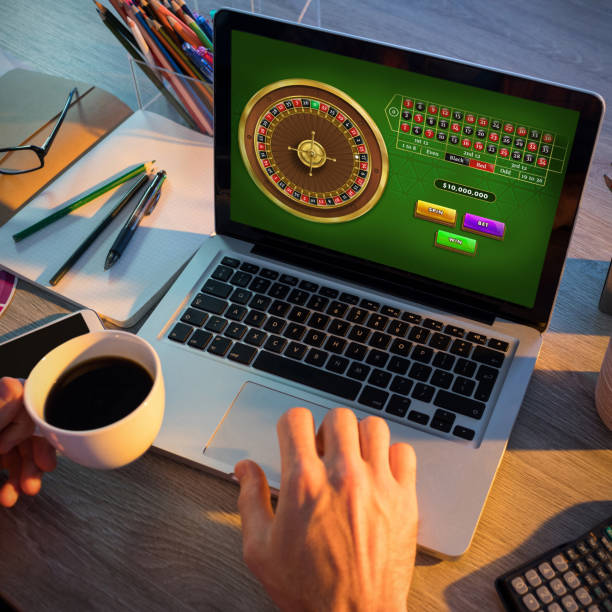
The advent of the internet marked a pivotal moment in the evolution of casinos, leading to the rise of online gambling platforms in the late 1990s. The ability to play casino games from the comfort of one’s home revolutionized the gambling experience, making it more accessible to a broader audience. Online casinos quickly gained popularity, offering a wide range of games, including slots, poker, and live dealer options, all available at the click of a button.
The expansion of mobile technology further accelerated this trend. With the introduction of smartphones, players could engage in gaming on the go, allowing for unprecedented convenience and flexibility. Many online casinos developed dedicated mobile apps, enhancing user experience through intuitive interfaces and exclusive promotions. This shift not only attracted younger demographics but also changed the way casinos approached marketing and player engagement.
As the online casino industry grew, regulatory bodies adapted to ensure fair play and responsible gaming practices. Licensing and oversight became crucial in maintaining consumer trust. The rise of cryptocurrencies also introduced innovative payment methods, providing users with anonymity and security. These developments illustrate the continuous evolution of casinos, adapting to technological advancements while striving to meet the demands of modern players.
The Future of Casinos: Trends and Innovations
Looking ahead, the casino industry is poised for further evolution driven by technological advancements and changing consumer preferences. Virtual reality (VR) and augmented reality (AR) are emerging technologies that could redefine the gaming experience, allowing players to immerse themselves in realistic environments and interact with others in innovative ways. This trend promises to create a more engaging and interactive casino experience, bridging the gap between online and brick-and-mortar establishments.
Additionally, the integration of artificial intelligence (AI) into gaming platforms is set to enhance personalization and user experience. Casinos can leverage AI to analyze player behavior, offering tailored recommendations and promotions that cater to individual preferences. This level of customization not only improves user satisfaction but also helps casinos to optimize their marketing strategies and enhance player retention.
As the industry continues to evolve, the importance of responsible gaming will remain at the forefront. Casinos are increasingly recognizing their social responsibility to promote safe gambling practices. Implementing measures such as self-exclusion programs and providing resources for problem gambling will be essential in ensuring a sustainable future for the industry. As casinos adapt to these trends, they will continue to thrive as vital centers of entertainment.
Experience the Thrill of Gaming at PariPulse
PariPulse stands out as a premier online casino platform, providing an exciting gaming experience that reflects the evolution of casinos from ancient times to modern innovations. Established in 2023 and licensed by the Curaçao Gaming Authority, PariPulse offers an extensive selection of over 7,000 games, catering to various preferences and interests. Whether you enjoy traditional table games or modern slots, there is something for everyone.
Incorporating cutting-edge technology, PariPulse features a user-friendly interface and supports multiple payment methods, including cryptocurrency, ensuring secure and convenient transactions. The platform also boasts a dedicated mobile app, allowing players to engage in thrilling gaming experiences wherever they are. With exceptional customer support available 24/7, users can enjoy peace of mind as they embark on their gaming journey.
Moreover, PariPulse offers enticing welcome bonuses, enhancing the overall gaming experience and attracting new players. By understanding the trends in the gaming industry and prioritizing user satisfaction, PariPulse embodies the next generation of casinos, seamlessly blending tradition with modern entertainment. Join PariPulse today and explore the dynamic world of online gaming!